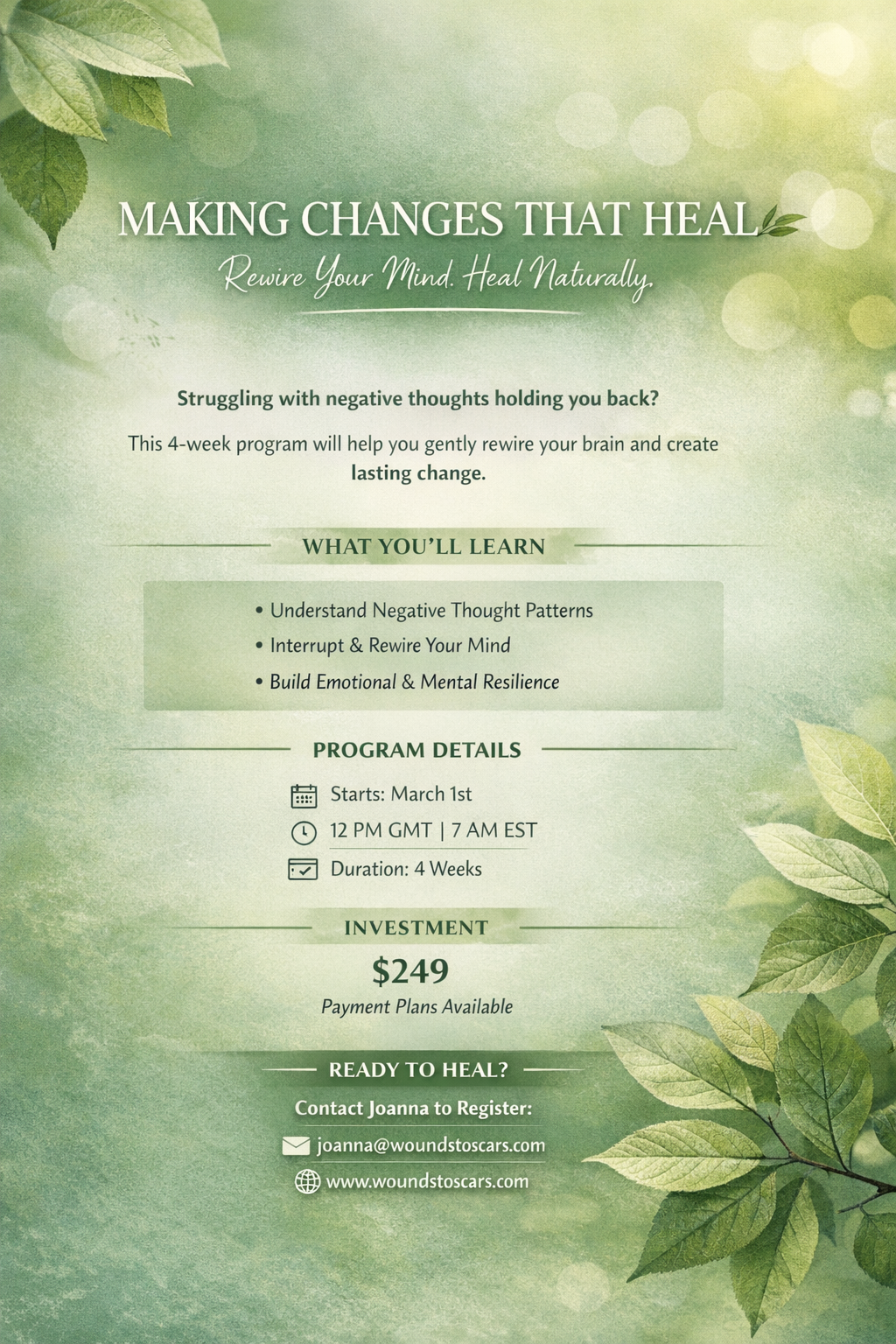
Take Every Thought Captive
Identifying your patterns of thinking is a crucial step towards managing and harnessing negative thoughts and feelings. When you begin to observe and recognise these patterns, you become more self-aware, which empowers you to take control of your thoughts instead of allowing your thought life to control you. Think of it as being in the driving seat, rather than letting your thoughts steer your actions and emotions.
Philippians 4:8 says, “Finally, brethren, whatsoever things are true, whatsoever things are honest, whatsoever things are just, whatsoever things are pure, whatsoever things are lovely, whatsoever things are of good report; if there be any virtue, and if there be any praise, think on these things.”
Moving from Awareness to Action
As you strive to become more aware of your thought life, it is important not only to recognise negative thoughts but also to take active steps toward addressing and replacing them. This process goes beyond simple awareness; it involves intentionally learning how to tackle each negative thought as it arises. Through continued practice, you will discover practical strategies to gain greater awareness of your thought patterns and, ultimately, more control over them.
Taking Intentional Steps Toward Thought Awareness
By actively engaging in learning approaches to help you become more aware of your thoughts, you empower yourself to respond thoughtfully rather than react impulsively to challenging situations. Each step you take toward understanding and managing your thoughts helps build resilience and fosters a healthier, more positive mindset.
Ask yourself: Do these negative thoughts appear at a certain time of year or month? Are they more prominent around certain individuals? Pinpointing these triggers is an important part of the process.
Once you notice these patterns, observe how your behaviour changes in response. Do you withdraw, isolate yourself, or find that you are physically present with others but not truly engaged? For example, a woman attended a lunch gathering but, due to a disagreement, she sat in the room with her eyes closed, withdrawing from the group. Her posture and behaviour clearly communicated her discomfort, even though she was surrounded by others. Eventually, she was able to rejoin the group, but her reaction illustrated how unmanaged emotions can lead us to disengage from those around us.
It is also important to recognise that while setting boundaries is healthy, the way you communicate those boundaries matters. If you notice your negative thought patterns are linked to certain people or events, make a note of these circumstances. Is it a recurring time, such as a particular month? For instance, you might have told yourself that your life always falls apart at a certain time each year because of past experiences. This belief may lead you to anticipate problems as that month approaches, causing tension and anxiety. This pattern can continue for years until you become conscious of it and challenge the belief.
You may also find it difficult to deal with certain individuals, leading you to expect negative behaviour from them, or to react in a particular way yourself. Sometimes, these expectations become so ingrained that you see only what you expect, even when reality is different. Similarly, if others repeatedly label you in a certain way, you may start to believe and embody those labels.
To bring about lasting change, you must identify your thinking patterns—notice which events, times, or people trigger negative thoughts or reactions. Reflect on your responses and identify any necessary changes. Taking the brave step to make these changes can be challenging, but it is a decision you are unlikely to regret.