Category: Trauma

  • Understanding the Impact of Trauma on Relationships: Healing Wounds, Building Bridges

    Understanding the Impact of Trauma on Relationships: Healing Wounds, Building Bridges

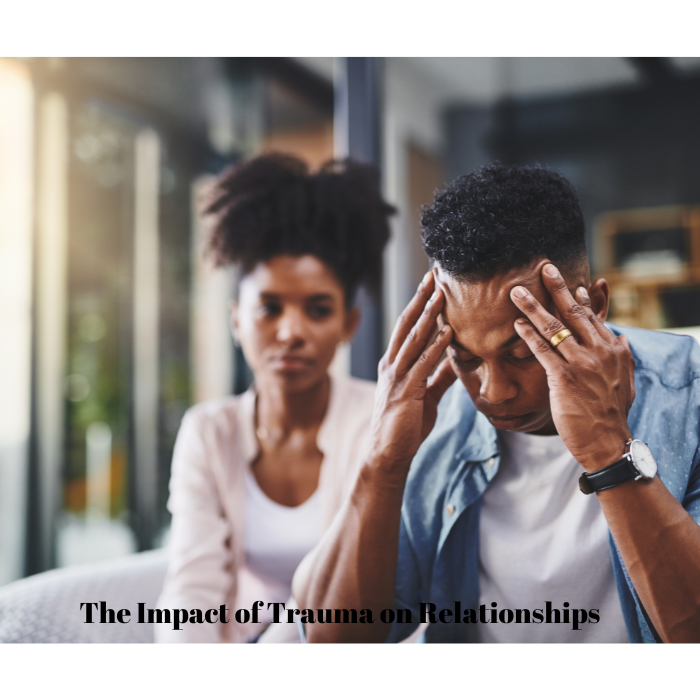
    Trauma, in its various forms, casts a long shadow over our lives. Its effects ripple through our thoughts, emotions, and behaviours, often shaping the way we perceive and interact with others. In the realm of relationships—be it romantic partnerships, friendships, or familial ties—trauma can wield a profound influence, presenting both challenges and opportunities for growth and healing.

    Defining Trauma in Relationships

    Trauma is not just a singular event but a complex and multifaceted experience that leaves lasting imprints on an individual’s psyche. It can stem from childhood abuse, neglect, accidents, loss, or any event that overwhelms one’s ability to cope. When these traumatic experiences go unaddressed or unresolved, they can manifest in various ways within relationships.

    The Roots of Relationship Challenges

    Trust Issues: One of the most common legacies of trauma is a deep-seated mistrust of others. For someone who has experienced betrayal or harm, trusting again can feel like navigating a minefield. This mistrust may lead to difficulties in forming intimate connections, as individuals may erect emotional barriers to protect themselves from potential hurt.

    Communication Breakdown: Trauma can impair one’s ability to communicate effectively. Individuals may struggle to express their emotions or needs, fearing vulnerability or misunderstanding. This breakdown in communication can hinder the mutual understanding and empathy crucial for healthy relationships.

    Emotional Regulation: Trauma often disrupts the ability to regulate emotions. This may manifest as heightened sensitivity, emotional numbness, or unpredictable mood swings. Such challenges can strain relationships, as partners may struggle to empathize or respond appropriately to each other’s emotional cues.

    Attachment Styles: Attachment theory posits that early childhood experiences shape our patterns of relating to others. Insecure attachment styles—such as anxious, avoidant, or disorganized—can impact how individuals seek closeness and respond to intimacy in relationships.

    Impact on Intimate Partnerships

    In romantic relationships, the impact of trauma can be particularly pronounced. Partners may find themselves navigating uncharted emotional territories, grappling with triggers, and negotiating boundaries shaped by past experiences. Issues of intimacy, trust, and communication become pivotal points of contention and growth.

    Intimacy and Vulnerability: Trauma survivors may struggle with intimacy, viewing closeness as a potential threat rather than a source of comfort. Physical intimacy, in particular, can trigger memories or feelings of disconnection, requiring patience and understanding from both partners.

    Conflict Resolution: Disagreements in relationships are inevitable, but trauma can amplify the intensity and complexity of conflicts. Survivors may react defensively or withdraw during conflicts, fearing abandonment or rejection. Building healthy conflict resolution skills becomes crucial for fostering mutual respect and understanding.

    Healing and Growth

    While trauma casts a shadow, it also offers opportunities for resilience and transformation within relationships. Healing from trauma is a journey that requires courage, patience, and support from loved ones and professionals. Here are key steps towards healing and fostering healthy relationships:

    Therapeutic Support: Seeking therapy or counselling can provide a safe space to explore trauma, understand its impact, and develop coping strategies. Therapists trained in trauma-informed care can guide individuals and couples towards healing and growth.

    Building Trust: Rebuilding trust in oneself and others is foundational to healing from trauma. Partners can foster trust through consistency, empathy, and open communication. Establishing clear boundaries and respecting each other’s needs promotes a sense of safety and security.

    Enhancing Communication: Effective communication is a cornerstone of healthy relationships. Partners can cultivate open dialogue, active listening, and validation of each other’s experiences. Learning to express needs and emotions honestly fosters mutual understanding and strengthens emotional bonds.

    Self-Care and Resilience: Prioritizing self-care—through activities like mindfulness, exercise, and creative pursuits—nurtures resilience and emotional well-being. Individuals can learn to manage stress, regulate emotions, and cultivate a positive self-image, which positively impacts their relationships.

    Conclusion

    Navigating the impact of trauma on relationships is a personal journey. It requires courage to confront past wounds, compassion to support oneself and others, and resilience to embrace healing and growth. By understanding the roots of relationship challenges stemming from trauma and actively pursuing avenues for healing, individuals and couples can cultivate relationships that are nurturing, supportive, and resilient in the face of adversity.

    As we continue to explore the complexities of trauma and relationships, let us remember that healing is not linear. It is a journey marked by progress, setbacks, and moments of connection and transformation. Together, we can forge paths towards healing, building bridges that honour our past while embracing a future defined by empathy, understanding, and love.


  • Creating Safe Spaces

    Creating Safe Spaces

    At 28 years old, I was a very shy and introverted student, navigating the challenging yet rewarding field of social work. On my last placement, I found myself in a situation that was both daunting and life-changing. I was asked to run a group in collaboration with a colleague, and this experience significantly shaped my perspective on parental support and the importance of creating safe spaces for people to learn and grow.

    We were stationed in one of the poorest estates in the city, an area burdened with economic hardships and social challenges. My colleague, whose experience and passion for community work were evident, proposed an initiative that initially seemed simple but was impactful: a group for mothers to teach them how to interact and connect with their children through play.

    Despite my academic background in social work, I had no hands-on experience with this kind of work. The idea of facilitating a group where we would get down on the floor and play with the children was intimidating. It wasn’t just about play; it was about modelling positive interactions for mothers who were likely exhausted and preoccupied with numerous life stresses.

    On the day of our first session, I arrived at the community centre with a mix of anxiety and determination. The room was modestly furnished, with colourful mats spread out on the floor and an assortment of toys arranged neatly in one corner. As the mothers began to arrive, I could sense their weariness but also a glimmer of hope. This group represented a rare opportunity for them to step out of their daily routines and engage in something different.

    Our primary goal was to create a safe, non-judgemental space where these mothers could learn and grow. We wanted to offer them a break from their worries, a place where they could simply enjoy time with their children. To facilitate this, we encouraged the mothers to sit with their children on the floor, to play, and to interact in ways they might not usually have the time or energy for.

    As the sessions progressed, I observed how the mothers used this time not only to engage with their children but also to connect with each other. They would drink coffee, share stories, and offer mutual support. It was heart warming to see the bonds forming among them, and the children’s faces lighting up with joy and curiosity as they played.

    While I wasn’t entirely sure how effective our group was in terms of measurable outcomes, I began to appreciate the importance of these safe spaces. As a parent myself, I now understand the value of environments where one could learn and grow without fear of judgement. Parents who have experienced trauma or ongoing stress need spaces that are not only educational but also supportive and nurturing.

    In these sessions, we avoided a top-down approach. Instead, we fostered a collaborative and supportive atmosphere. The mothers were encouraged to ask questions, share their experiences, and learn from each other. This peer-based learning was invaluable; it empowered the mothers and validated their experiences and knowledge.

    Watching the women engaged over time, has been rewarding. Seeing them participating actively, laughing and playing with the children. Witnessing this transformation was incredibly rewarding and highlighted the potential impact of our work.

    Reflecting on my experience, I realize how much I learned from these sessions. Despite my initial apprehensions, running this group helped me to develop a deeper understanding of the needs of parents in challenging circumstances. It also reinforced the importance of creating environments where people feel safe to express themselves and seek support.

    The power of safe, non-judgemental spaces cannot be overstated. These environments provide a foundation for healing, and growth. For people who experience trauma groups can offer a respite from the daily challenges and a chance to reconnect with themselves and others.

    If you recognise the need for a space such as was discussed above click the link and join us for the next Healthy Relationships course. This course is designed for Christians to process the impact of childhood trauma on relationships.

  • The Lasting Impact of Emotional Abandonment

    The Lasting Impact of Emotional Abandonment

    Emotional abandonment, particularly during childhood, can leave deep scars that impact individuals well into adulthood. From a Christian perspective, understanding and healing from this type of abandonment involves not only psychological growth but also spiritual healing. It is crucial that we integrate our faith in our healing journey. Faith can help us see the trauma from a different perspective.  Faith can also help us deal with any lingering effects of these early experiences.

    As adults, we have the amazing ability to reason. Our fully developed brains enable us to analyse, understand, and make sense of things in ways we couldn’t as children. Our developed reasoning abilities allows us to see our parents’ flaws and shortcoming. For example, as an adult, you may reason out your father’s unavailability and forgive him for not keeping his promises. Similarly, you may reason out your mother’s anger, control, and lack of empathy when you are in distress. These realizations can lead to better interactions with them now, fostering healthier relationships than those you had as a child.

    However, it’s important to recognize that the child within us created behaviours and beliefs to survive. These survival mechanisms, formed in response to emotional abandonment, become ingrained and continue to drive our relationships, self-esteem, confidence, and emotional availability. The journey towards healing requires addressing these deep-rooted patterns and helping the inner child transition from survival mode to a place of emotional and spiritual health.

    From a Christian perspective, healing from emotional abandonment involves embracing the love and acceptance found in Christ. The Bible offers great insights into Jesus’s willingness and ability to heal wounded places in our lives. We can find many evidences of Gods love throughout scripture they reminds us of God’s unfailing love and His desire for us to be whole. In Psalm 147:3, it says, “He heals the broken hearted and binds up their wounds.” This verse underscores God’s commitment to our healing and restoration.

    Isiah 49:15-16(KJV) reminds us that there was always a plan to help us heal even before we needed it. The scripture provides hope and comfort by reminding us that God will never leave. “Can a woman forget her sucking child, that she should not have compassion on the son of her womb? Yea, they may forget, yet will I not forget thee. 16 Behold, I have graven thee upon the palms of My hands; thy walls are continually before Me.”

    Trying to hold on to the promise of Jesus being with us always can sometimes feels like ropes of sand. It’s shifting and some days faith might feel tenuous. The challenge on those days is to hold firm and trust in the promises and hold on to God’s abiding love.

    You might be challenged daily by painful memories However, we are promised that we have the power to manage our thoughts, “bringing into captivity every thought to the obedience of Christ,”. This is the assurance that as you heal, even the impact of the trauma on your brain can also heal.

    Getting through the early years

    The emotional wounds that happens in childhood leaves an indelible impression on the developing brain. One such impression is the behaviours that are developed to survive trauma. Growing chronologically doesn’t mean the behaviours formed in childhood automatically change. These behaviours, whether they manifest as avoidance, people-pleasing, or an inability to trust, are often deeply embedded. As adults, we might rationalize and understand our parents’ actions, but the emotional wounds and the resultant survival behaviours often persist. Recognizing this discrepancy between our adult reasoning and our emotional responses is a critical step in the healing process.

    Healing centers around helping the child out of survival mode. This involves learning how to let go of unhealthy behaviours and creating healthier ones, a process that can be both challenging and rewarding. In this context, faith plays a crucial role. Jesus invites us to come to Him with our burdens, promising rest and peace (Matthew 11:28-30). His invitation is not just a call to spiritual rest but also to emotional and psychological healing.

    Forgiveness is a cornerstone of Christian teaching and is vital in overcoming the impact of emotional abandonment. Ephesians 4:32 encourages us to “be kind to one another, tender hearted, forgiving one another, as God in Christ forgave you.” Forgiving those who have emotionally abandoned us does not mean excusing their behaviour or forgetting the pain it caused. Instead, it means releasing the hold that bitterness and resentment have on our hearts, making room for God’s healing grace.

    The healing process can involve several steps:

    Acknowledgment and Acceptance: Recognize and accept the impact of emotional abandonment on your life. This involves understanding how it has shaped your behaviours and beliefs and getting support to create healthier coping strategies.

    Seeking Professional Help: An experienced therapists, can help guide you through the healing process. They can provide tools and techniques to address deep-seated issues and support you in creating healthier behaviours.Find one that incorporate christian principles if that is important to you.

    Prayer and Meditation: Spend time in prayer, seeking God’s guidance and comfort. Meditating on Scriptures that speak of God’s love and healing can provide lasting emotional relief.

    Building a Support System: Surround yourself with a supportive community, such as a church group or close friends who understand and encourage your healing journey.

    Forgiveness: Actively work on forgiving those who have caused you emotional pain. This might be a gradual process, requiring patience and persistence. Remember God gives good gifts. If you desire it, He can give you the gift of forgiveness. This will help to free you from the pain of the past.

    Developing Healthy Relationships: As you heal, practice building relationships based on trust, respect, and mutual support. These relationships can provide a new template for interaction. These new interactions will help to replace old coping strategies and put you on the path to developing healthy relational patterns.

    The lasting impact of emotional abandonment is significant, influencing many aspects of our adult lives. However, with faith, there is immense hope for healing and transformation. By combining our ability to reason with the spiritual insights and comfort found in Christianity, we can navigate the journey towards emotional wholeness.

    Remember, growing chronologically doesn’t mean our behaviours automatically change. It is through intentional healing, rooted in both psychological understanding and spiritual faith, that we can help the inner child out of survival mode, letting go of unhealthy behaviours, and embracing healthier ones.

    As you walk this path, take heart in knowing that God is with you every step of the way, offering His love, grace, and healing.

  • Understanding Maladaptive Behaviours in Trauma Survivors: A Christian Perspective

    Understanding Maladaptive Behaviours in Trauma Survivors: A Christian Perspective

    In a world that often feels broken, trauma touches many lives, leaving scars that manifest in various ways. As Christians, we are called to understand, support, and guide those who bear these scars. Trauma can lead individuals to develop maladaptive behaviours—coping mechanisms that, while initially protective, can become detrimental over time. Let’s explore these behaviours through a Christian lens and consider how faith and community can aid in healing.

    People Pleasing: The Trap of Over-Generosity

    One common response to trauma is people pleasing, a behaviour rooted in a deep desire for acceptance and love. People who have experienced trauma often become overly generous, constantly striving to make others happy to avoid conflict and gain a sense of security. They may believe that by pleasing others, they can fill the void left by their traumatic experiences.

    People pleasing is also used to protect people especially in dysfunctional families.

    From a Christian perspective, this behaviour can be seen as a distortion of the Biblical call to love and serve others. While generosity is a virtue, it should not come at the expense of one’s own well-being.

    In Galatians 1:10, Paul reminds us, “For am I now seeking the approval of man, or of God? Or am I trying to please man? If I were still trying to please man, I would not be a servant of Christ.”

    In Ephasians 6:6 “Not by the way of eye-service, as people-pleasers, but as bondservants of Christ, doing the will of God from the heart.”

    True service stems from a place of wholeness and a relationship with God, not from a fear of rejection or a need to control outcomes.

    Isolation: The Double-Edged Sword

    Isolation is another maladaptive behaviour often adopted by trauma survivors. Fear of forming new connections and the potential for further hurt can lead individuals to withdraw from social interactions. This creates a paradox; sometimes people who isolate deeply crave connection but are terrified of the vulnerability it requires. Sometimes fear of rejection and hurt stops them from engaging with others.

    The Bible teaches the importance of community and fellowship. Hebrews 10:24-25 (ESV) encourages us, “And let us consider how to stir up one another to love and good works, 25 not neglecting to meet together, as is the habit of some, but encouraging one another, and all the more as you see the Day drawing near..”

    Isolation may feel safe, but it deprives individuals of the healing and support found in Christian community. We are created for relationships, and through fellowship, we can find the strength to face and overcome our fears.

    Through community we also have support to implement new coping strategies and implement change.

    Overworking: The Illusion of Fulfilment

    To cope with feelings of disconnection and emptiness, many trauma survivors turn to overworking. This behaviour serves multiple purposes: it fills the void left by trauma, distracts from painful emotions, and combats the fear of scarcity. By convincing themselves that they love their jobs or are indispensable at work, they justify the long hours and constant busyness.

    However, this is often a lie they tell themselves to avoid confronting deeper issues. Psalm 127:2 (ESV) warns us, “It is in vain that you rise up early and go late to rest, eating the bread of anxious toil; for he gives to his beloved sleep..”

    Overworking can lead to physical and emotional exhaustion and strained relationships, perpetuating the cycle of isolation and stress. God calls us to find our identity and worth in Him, not in our work. True rest and fulfilment come from trusting in His provision and care.

    Aggression: The Mask of Protection

    Aggression is a misunderstood response to trauma, often used as a means of self-protection. Trauma survivors may adopt a tough exterior, excusing aggressive behaviour as “straight talking” or necessary for self-defence. However, this behaviour often pushes people away, defeating the individual’s underlying desire for connection.

    Ephesians 4:26-27(ESV) advises, “Be angry and do not sin; do not let the sun go down on your anger, 27 and give no opportunity to the devil.” While it’s natural to feel anger, unchecked aggression can lead to sin and relational breakdown. Many trauma survivors lack the tools to express their feelings constructively. As Christians, we can help them develop healthier ways to communicate their needs and emotions, fostering connection and understanding.

    Avoidance: The Fear of Confrontation

    Avoidance is a common tactic used by trauma survivors to suppress or ignore their emotions. The fear of conflict and the discomfort of confronting painful issues lead them to shy away from dealing with problems directly. This avoidance prevents healing and growth, as unresolved issues continue to fester beneath the surface.

    The Bible encourages us to speak the truth in love. Ephesians 4:15 says, “Rather, speaking the truth in love, we are to grow up in every way into him who is the head, into Christ.” Confronting issues and speaking truth, though challenging, are essential for personal growth and relational health. Avoidance may seem easier, but it ultimately hinders the healing process.

    Healing Through Faith and Community

    Understanding these maladaptive behaviours is the first step in helping trauma survivors heal. As Christians, we can offer a unique perspective rooted in faith, hope, and love. Here are some ways we can support those who are struggling:

    Prayer and Spiritual Support: Encourage trauma survivors to seek God in their healing journey. Prayer, scripture reading, and spiritual disciplines can provide comfort and guidance. Philippines 4:6-7 reminds us, “do not be anxious about anything, but in everything by prayer and supplication with thanksgiving let your requests be made known to God. And the peace of God, which surpasses all understanding, will guard your hearts and your minds in Christ Jesus.”

    Community and Fellowship: Foster a supportive and non-judgemental environment where individuals feel safe to share their struggles. Romans 12:15 instructs us, “Rejoice with those who rejoice, weep with those who weep.” Being present and empathetic can make a significant difference in their healing process.

    Professional Help: Encourage seeking professional counselling when needed. Many Christian counsellors are equipped to integrate faith with therapeutic practices, providing holistic care.

    Education and Awareness: Educate church members about trauma and its effects. Understanding can lead to greater compassion and more effective support.

    Discipleship and Mentorship: Pair trauma survivors with mature Christians who can mentor and disciple them, providing guidance and accountability in their journey towards healing.

    Conclusion

    Trauma can lead to various maladaptive behaviours, but through the lens of faith, there is hope for healing and transformation. By understanding these behaviours and offering compassionate support, we can help trauma survivors find their way back to wholeness. As followers of Christ, we are called to be His hands and feet, offering love, understanding, and guidance to those in need. Together, we can create a community where healing is possible, and where the broken can find solace and restoration in the embrace of God’s love.